/prod01/channel_122/lib/media/fit-website/site-assets/images/FT-Horiz_crimson-gold.png)
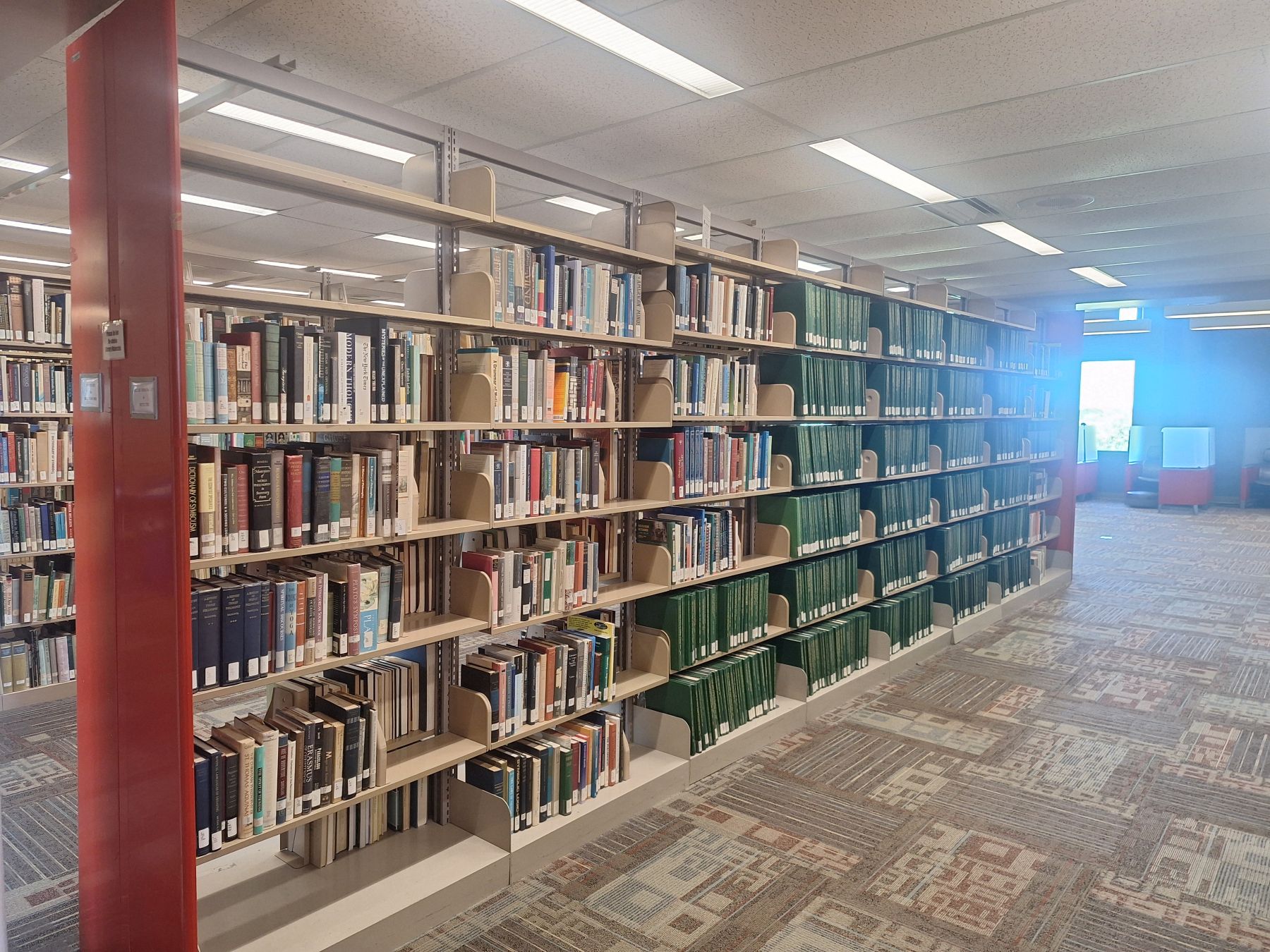
Spring and summer are a time for working in the yard, putting new trees and plants in the yard and keeping the grass and weeds under control. In Florida, that might mean mowing twice a week to keep the yard tidy and manageable. Likewise, the Library takes advantage of the slower pace of summer to do its own tidying and managing of Library collections. Like weeding our yard and gardens, libraries typically weed their collection - formally known as deaccessioning - every several years. Without constant curation, the shelves of print materials can grow unwieldy, overgrown, and outdated.
The primary goal of the Library's collection, whether print or electronic, is to support the teaching, learning, and scholarship of campus stakeholders. Librarians utilize their expertise in subject areas to determine which materials are still relevant to the university's current programs, majors, and minors and faculty's research areas. Course offerings change; technology advances and scientific discoveries occur every day meaning information does have an expiration date.
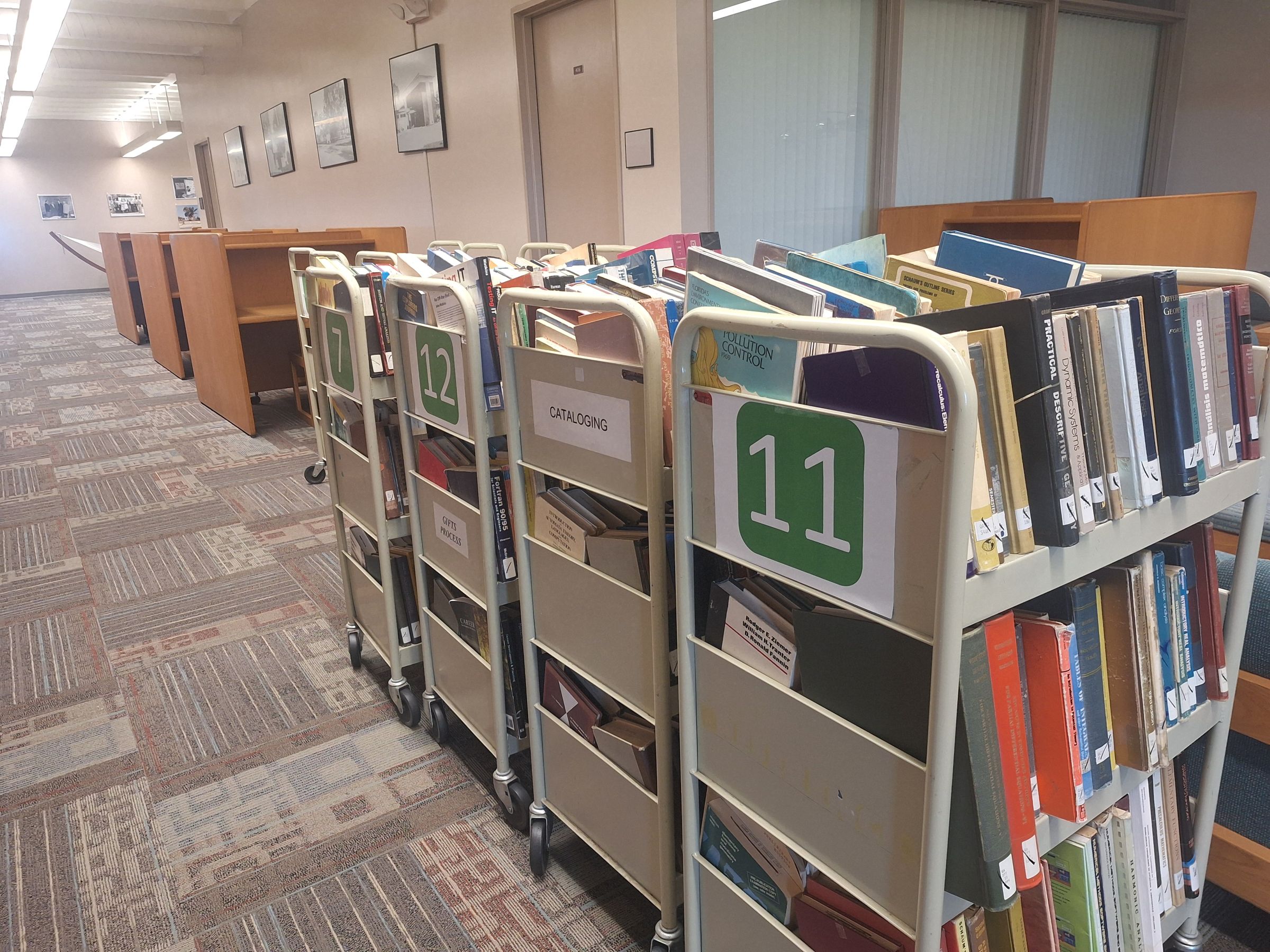
For that reason, especially in the rapidly changing landscape of STEM fields, it is critically important for the Library to keep its collection up to date. So, how do we do that?
We break it down using the following criteria and taken together; they provide an informed approach to our collection, enabling the library to make thoughtful decisions about how to maintain a relevant, current, and user-focused print collection.
- Duplicates and Multiple Editions
When the library holds multiple copies of the same title, excess copies are withdrawn. Similarly, when multiple editions exist, earlier editions are typically removed, retaining only the most current version to ensure accuracy and relevance. - Relevance to Institutional Mission
As stated above, materials that no longer align with current curricula or faculty research interests are considered for removal. - Publication Date and Currency of Information
The age of a publication alone is not sufficient justification for withdrawal; older works may still hold scholarly value. However, materials containing outdated or superseded information are evaluated critically and may be withdrawn to maintain the accuracy and reliability of the collection. - Circulation and Usage
Usage patterns are an important factor in collection management. Items that have not circulated, or have circulated very infrequently, over an extended period (e.g., the past decade) are considered to have limited value to the current campus community and may be removed.
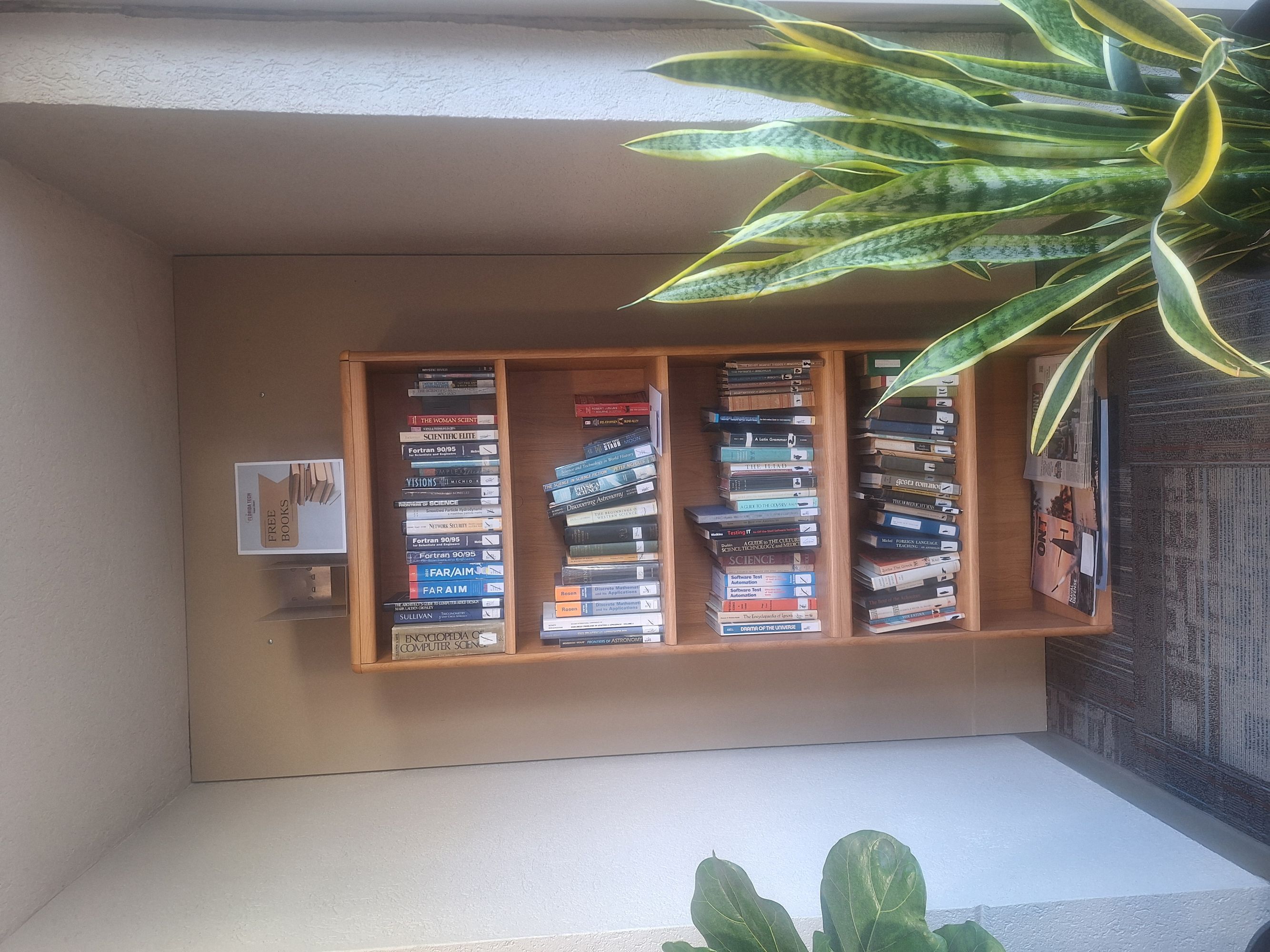
Once removed from the catalog, we put books we think will be of interest to campus constituents on the "Free Books" shelf by the south entrance. Others that are in bad physical condition or have no inherent connection to the university are disposed of.
This weeding process ultimately frees up shelf space and allows the Library to tighten the stacks, remove unused shelving, and create more study space for students while also curating a current, focused collection in support of the university.